When it comes to maintaining a safe, healthy, and compliant healthcare environment, finding the right partner for medical facility cleaning is essential. Hospitals, dental offices, and outpatient clinics all face unique challenges that require specialized expertise—far beyond what a standard office cleaning service can deliver.
Whether you manage a small private practice or a busy surgical center, working with professionals trained in medical office cleaning ensures your facility stays disinfected, compliant, and ready to serve patients with confidence.
A reliable cleaning partner doesn’t just make your space look spotless—they protect your patients, staff, and reputation. Below, we’ll explore exactly what medical facilities should expect from their cleaning provider and how a professional approach to sanitation helps maintain health, comfort, and long-term value.
Why Medical Facility Cleaning Is Different
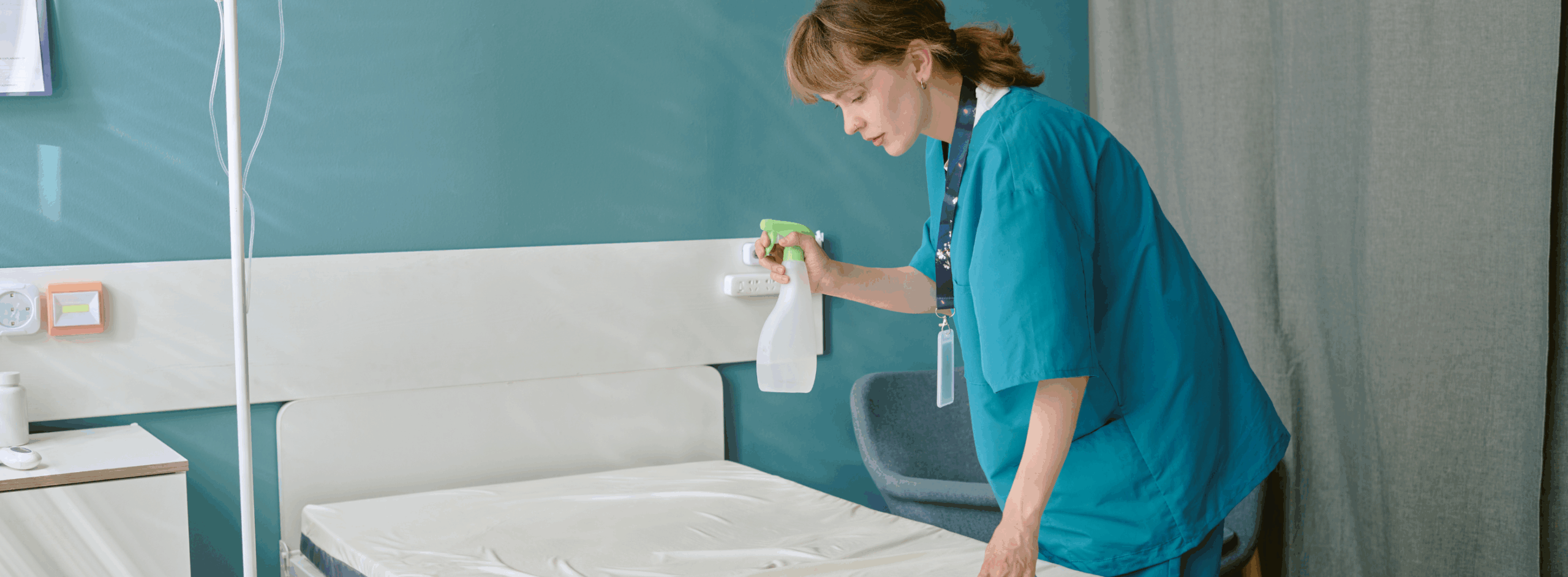
Unlike traditional commercial spaces, medical environments require a level of cleanliness that goes beyond appearance. Healthcare settings are breeding grounds for bacteria and viruses due to frequent patient contact, bodily fluids, and medical waste. Every surface—from waiting rooms to restrooms to examination tables—must be properly cleaned, disinfected, and maintained to prevent the spread of infection.
A cleaning team working in these spaces must have the training, tools, and knowledge to meet strict healthcare cleaning protocols. This includes adherence to CDC, OSHA, and HIPAA regulations, along with the use of EPA-approved disinfectants specifically formulated for healthcare environments.
Proper medical facility cleaning helps prevent cross-contamination, reduce hospital-acquired infections, and protect vulnerable patients. For this reason, many healthcare administrators treat cleaning partners as part of their infection prevention strategy—not just a maintenance vendor.
1. Compliance and Specialized Training
When evaluating a medical cleaning partner, compliance should always come first. Healthcare cleaning involves regulations and safety standards that protect patients, staff, and visitors from exposure to harmful pathogens.
Your cleaning provider should ensure all team members receive training in:
- OSHA Bloodborne Pathogen Standards: Cleaners must know how to handle biohazard materials and bodily fluids safely.
- Proper Use of PPE (Personal Protective Equipment): Gloves, masks, and gowns must be used correctly to prevent contamination.
- EPA-Approved Disinfectants: Only certified products should be used on medical-grade surfaces.
- HIPAA Awareness: Staff should understand patient privacy and avoid interfering with sensitive materials or records.
Beyond basic compliance, your janitorial company should also conduct regular refresher training to stay current with evolving healthcare guidelines. This ongoing education ensures consistent safety and effectiveness.
2. Understanding of High-Touch and High-Risk Areas
Certain zones in medical facilities require constant attention. High-touch points—such as door handles, bed rails, keyboards, and light switches—harbor high concentrations of germs. These areas must be disinfected multiple times per day using hospital-grade cleaners and microfiber cloths to trap and remove bacteria effectively.
High-risk areas like patient exam rooms, labs, and restrooms require a deeper level of disinfection. Cleaning crews must follow strict sequence protocols, ensuring contaminated areas are sanitized without spreading pathogens to other spaces.
Attention to detail is what separates a general cleaner from a true medical cleaning specialist. Your cleaning partner should follow detailed checklists for every cleaning session, ensuring that every surface, instrument stand, and waiting area remains hygienic and safe for everyone who enters.
3. Detailed Cleaning Documentation and Quality Control
Accountability is key in healthcare environments. Medical administrators must be able to verify that their facility meets cleanliness standards at all times.
That’s why the best cleaning providers use digital inspection systems and detailed reporting tools to track performance. These records provide transparency and proof of compliance during audits or inspections.
Quality control may include:
- Scheduled and random on-site inspections
- Real-time reporting apps with before-and-after photos
- Communication logs for feedback and requests
- Service verification reports for regulatory compliance
By keeping a clear paper trail, your cleaning partner helps protect your facility from liability while maintaining consistent quality and trust.
4. Use of Advanced Equipment and Eco-Friendly Products
Modern medical facility cleaning relies on advanced tools designed to deliver superior sanitation and reduce airborne particles. Traditional mops and brooms can actually spread contaminants, while HEPA-filtered vacuums and electrostatic sprayers eliminate them efficiently.
Some key technologies and products include:
- Microfiber cleaning systems that capture 99% of bacteria on surfaces.
- HEPA vacuums that remove fine dust and allergens from the air.
- Electrostatic disinfectant sprayers that ensure full coverage on hard-to-reach surfaces.
- Touch-free cleaning systems for restrooms and patient care areas.
Additionally, environmentally responsible cleaning is a growing priority. Look for providers that use green-certified products that are safe for patients with allergies or respiratory issues. These products deliver hospital-level disinfection without harsh chemicals or residues that could affect air quality.
5. Reliability, Scheduling, and Flexibility
Medical facilities operate around the clock, so cleaning services must adapt to that rhythm. A reliable cleaning partner understands the importance of minimal disruption, scheduling work during off-peak hours or between patient appointments to maintain operations smoothly.
Flexibility is also essential. Emergencies happen—such as biohazard spills, infectious outbreaks, or unexpected patient surges—and your cleaning team must be ready to respond immediately.
A dependable cleaning provider will:
- Offer flexible scheduling, including evenings and weekends.
- Maintain open communication with facility managers.
- Have on-call staff for emergency cleaning requests.
- Prioritize areas based on patient flow and risk level.
This adaptability allows medical staff to focus on patient care while ensuring that every part of the facility remains sanitary and welcoming.
6. Protecting Health, Comfort, and Long-Term Value
A professional cleaning partner understands that true cleanliness goes beyond compliance—it supports the overall mission of your healthcare facility.
At Alliance Maintenance, we emphasize three key principles that apply to every medical facility:
- Health: Clean buildings are healthy buildings. Regular cleaning with the right products reduces employee absences and prevents patient exposure to infectious germs.
- Comfort: A spotless, fresh-smelling environment creates confidence and comfort. Patients feel more at ease, and staff can work efficiently in an orderly, hygienic space.
- Value: Dirt and neglect can degrade flooring, walls, and furnishings, decreasing your property’s value over time. Routine maintenance preserves your investment and keeps your facility looking professional year after year.
Cleanliness directly impacts how patients perceive your level of care. A clean facility signals attention to detail, professionalism, and trust—qualities that every healthcare organization strives to project.
7. Communication and Partnership
A successful relationship between your facility and your cleaning provider is built on communication. Your cleaning team should feel like an extension of your staff—collaborative, responsive, and proactive in addressing your needs.
Regular meetings, feedback sessions, and transparent reporting help both sides stay aligned. If your cleaning partner is truly invested in your success, they’ll offer recommendations for process improvements, identify maintenance needs, and adjust services as your operations evolve.
This partnership mindset ensures long-term consistency and continuous improvement in cleanliness standards.
FAQs
How often should a medical facility be cleaned?
Cleaning frequency depends on your facility’s size, traffic, and risk level. Patient areas should be disinfected daily, while deep cleaning should be scheduled weekly or monthly to maintain hygiene and compliance.
What’s the difference between general office cleaning and medical facility cleaning?
Medical cleaning focuses on infection prevention. It requires specialized disinfectants, protocols, and training to eliminate pathogens and prevent cross-contamination.
How can proper cleaning reduce staff sick days?
Effective disinfection and air filtration significantly reduce bacteria and viruses in the environment, leading to fewer employee illnesses and absences.
Keep Your Facility Safe, Healthy, and Professional
Cleanliness is one of the most important components of patient safety and operational excellence. Your medical facility deserves a cleaning partner who understands the critical nature of your work—someone who prioritizes infection control, compliance, and comfort.
For reliable, compliant, and detail-oriented cleaning services across Oklahoma City, contact Alliance Maintenance today at 405-573-7881 or visit us at 2770 Washington Dr, Ste 110, Norman, OK.